What is Abstract Painting
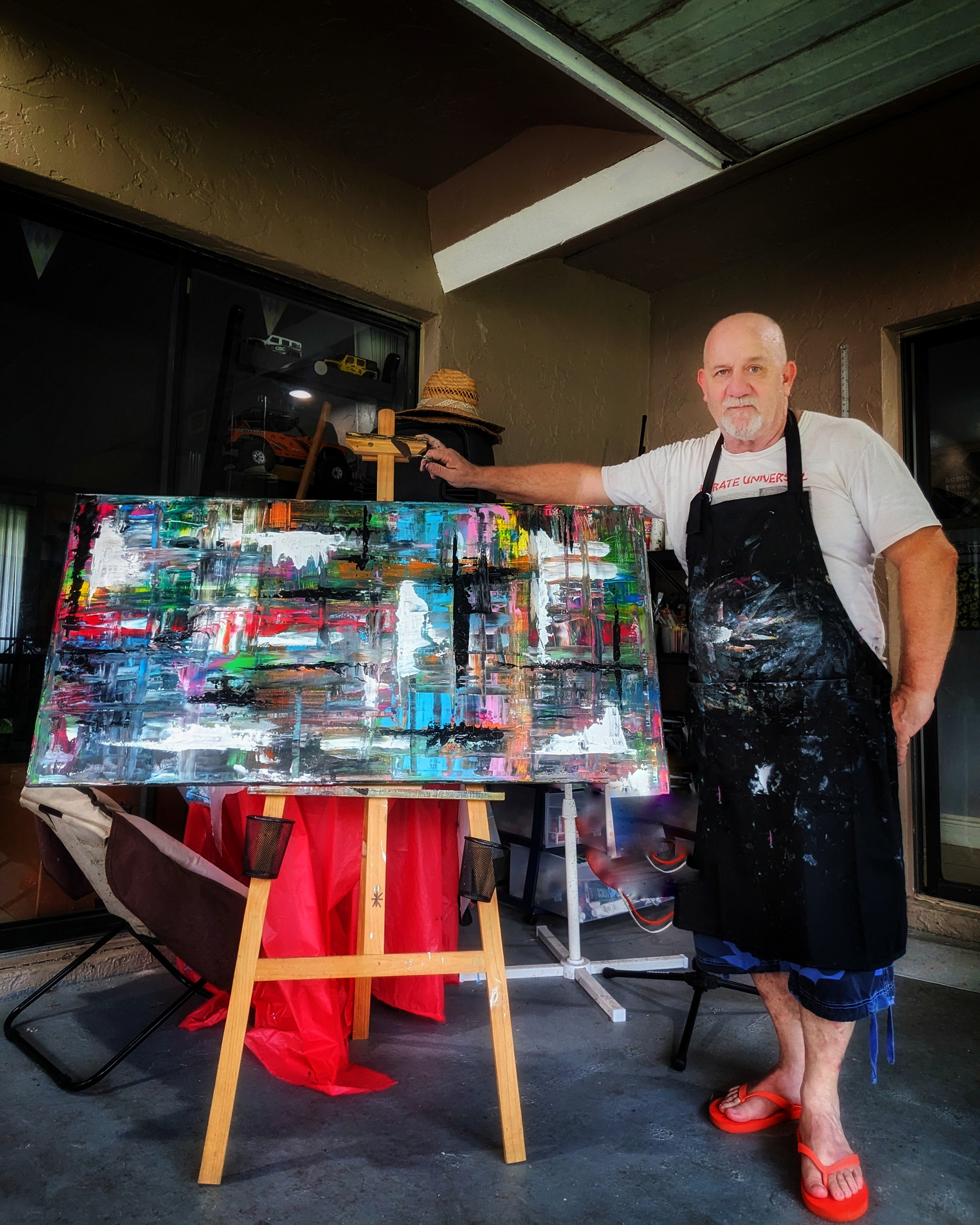
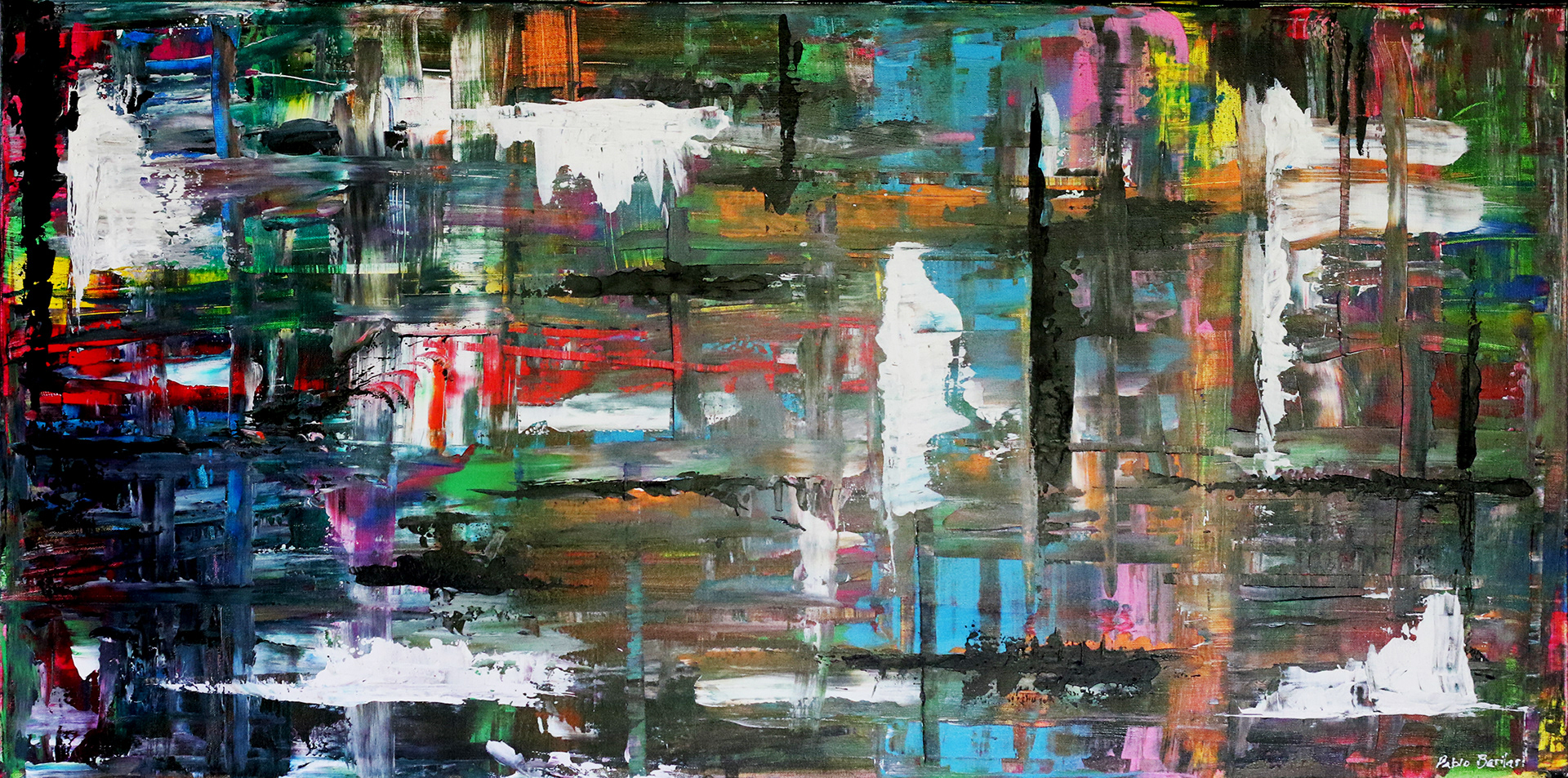
Abstract art in acrylic is a form of artistic expression that uses acrylic paint as its primary medium and is characterized by representing forms, colors, and compositions that do not attempt to directly imitate reality. Instead of depicting recognizable objects or figures, abstract art focuses on experimenting with lines, shapes, colors, and textures to create a work that evokes emotions, sensations, or abstract ideas.
In this artistic style, artists may use expressive brushstrokes, layers of paint, pouring techniques, spatulas, and other methods to achieve interesting and unique visual effects. The use of acrylic paint in abstract art is particularly popular due to its versatility and quick drying ability, allowing artists to overlay layers and make changes to the artwork more easily.
Abstract art in acrylic is a form of art that invites the interpretation of the viewer, as each person may perceive and feel different emotions or meanings when observing an abstract piece. Moreover, this art form allows artists to express their creativity freely without limitations imposed by figurative representation.
In summary, abstract art in acrylic is an artistic manifestation that emphasizes abstraction and visual experimentation using acrylic paint as a means of expression.
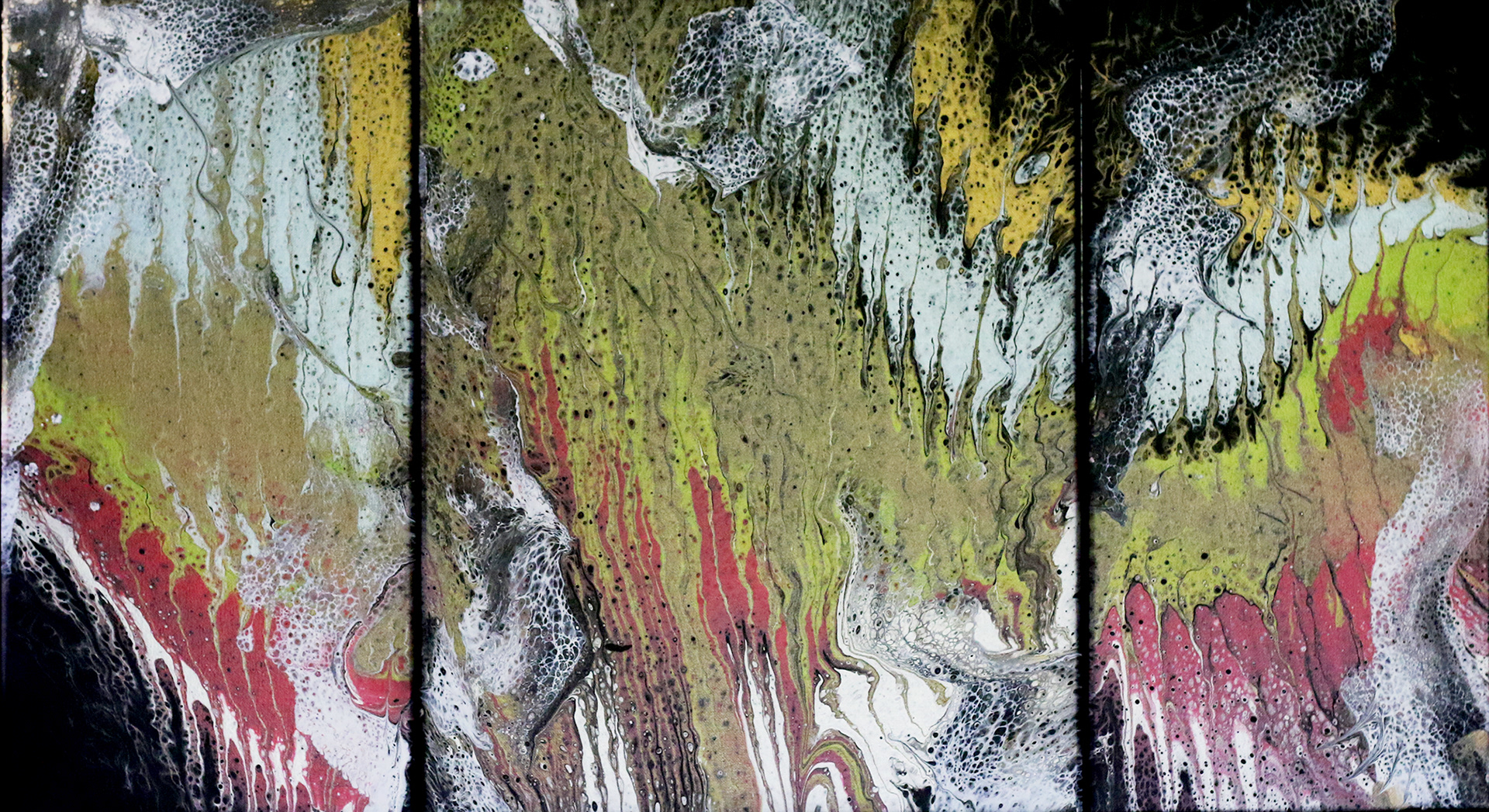
The value of abstract art in terms of money and the art market can vary significantly depending on several factors. Here are some key points to consider:
Artist Recognition: The reputation and recognition of the artist play a crucial role in determining the value of their abstract artworks. Famous and established artists often command higher prices for their pieces due to their established track record and demand from collectors.
Artistic Significance: The significance and impact of the artist's work on the art world and art history can also influence its monetary value. Abstract artists who have made groundbreaking contributions to the development of abstract art may see their works valued higher.
Size and Complexity: The size and complexity of the artwork can affect its value. Generally, larger and more intricate pieces may command higher prices due to the time, effort, and materials involved in creating them.
Materials Used: The type and quality of materials used in creating the artwork can also influence its value. For example, artworks that incorporate rare or high-quality materials may be valued higher.
Demand and Scarcity: The demand for a particular artist's work and the scarcity of their pieces in the market can drive up prices. If an artist's works are in high demand and limited in availability, their artworks may fetch higher prices at auctions or galleries.
Art Market Trends: The overall trends in the art market can impact the value of abstract art and other art forms. Market fluctuations, changing tastes, and economic factors can all influence the prices at which artworks are bought and sold.
Subjective Perception: The value of abstract art, like any art, is often subjective. Different collectors and buyers may place different levels of value on a particular artwork based on their personal preferences, emotional connections, and investment strategies.
It's important to note that while the monetary value of abstract art can be significant, it is not the only measure of its worth. Abstract art, like all forms of art, has intrinsic value in its ability to evoke emotions, spark discussions, challenge perceptions, and contribute to cultural and artistic movements.
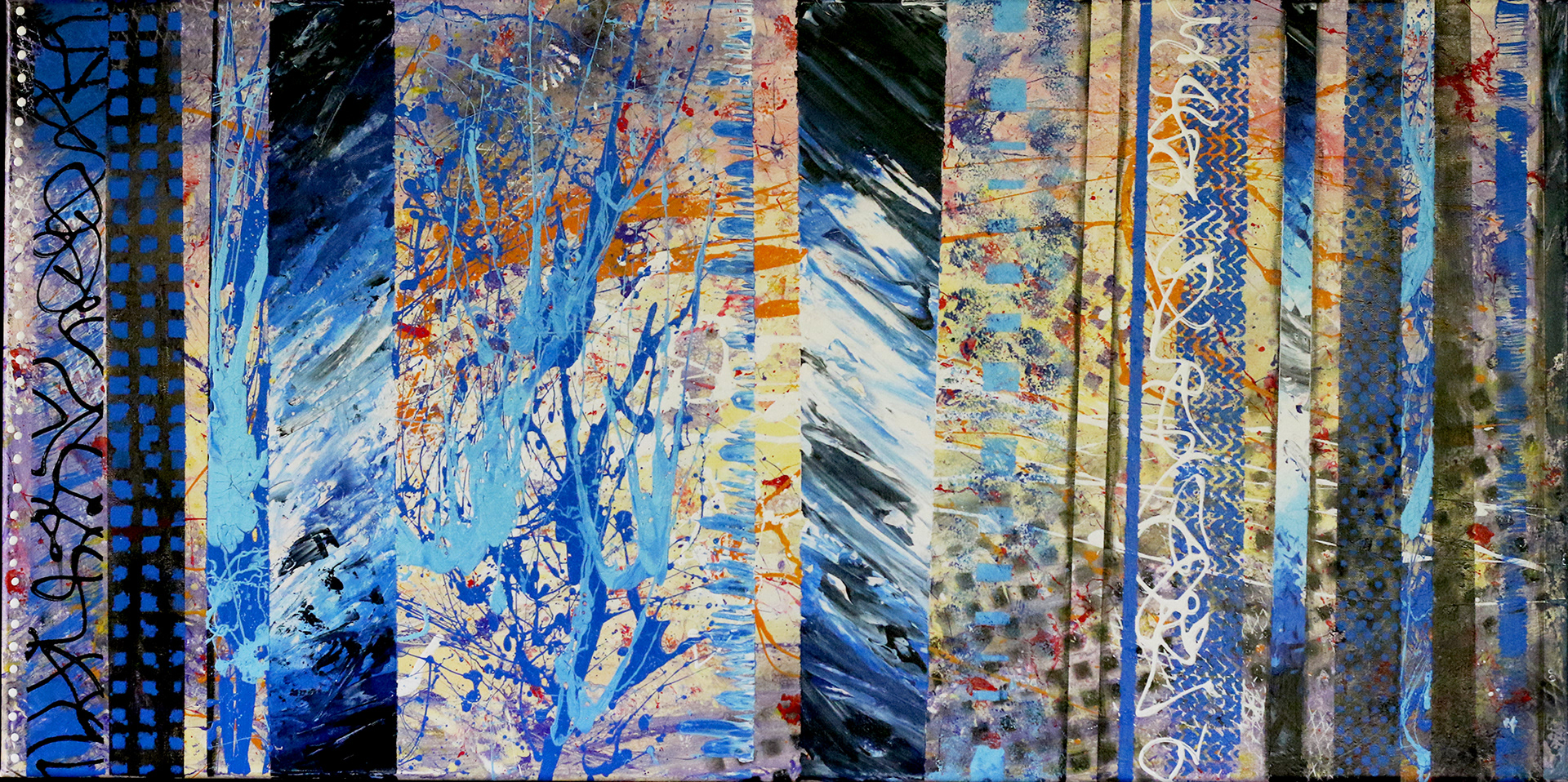
To offer abstract paintings to clients, you can implement various marketing campaigns to promote and sell your artworks. Here are some ideas:
Create a website and online store: Design an attractive website where you can showcase your abstract paintings in virtual galleries. Offer an easy and secure purchasing experience through an online store where customers can buy your artworks.
Use social media: Utilize platforms like Instagram, Facebook, Pinterest, and Twitter to share images of your paintings, details about your creative process, and art-related news. Engage with your followers and potential customers to build an online community.
Blog and relevant content: Maintain a blog on your website where you can share interesting articles about abstract art, your inspiration, painting techniques, and art world news. This will help establish your authority on the subject and attract people interested in abstract art.
Newsletters and mailing: Provide website visitors with the option to subscribe to a newsletter. Send periodic emails with updates about your latest creations, special promotions, or art-related events.
Collaborations and exhibitions: Look for opportunities to collaborate with other artists or participate in art exhibitions and events. These activities will help expand your network and expose your artworks to a wider audience.
Social media influencers and collaborations: Identify influencers or artists with a relevant audience for your art and consider collaborating with them. You can offer them a painting in exchange for promoting it on their social media, which can increase your visibility.
Offer discounts and promotions: To incentivize customers to purchase your paintings, offer temporary discounts, special promotions for certain dates (e.g., holidays), or limited editions of your artworks.
Exceptional customer service: Provide personalized and prompt attention to your customers. Respond to their questions and concerns in a friendly and professional manner, which can build trust and loyalty towards your brand.
Testimonials and reviews: Ask satisfied customers to provide testimonials or reviews about their experiences with your art. These testimonials can be shared on your website or social media to demonstrate the quality and value of your paintings.
Remember that marketing art is an ongoing and creative process. It's essential to remain active in promoting your work and be open to trying different strategies to reach new customers and build a loyal following.
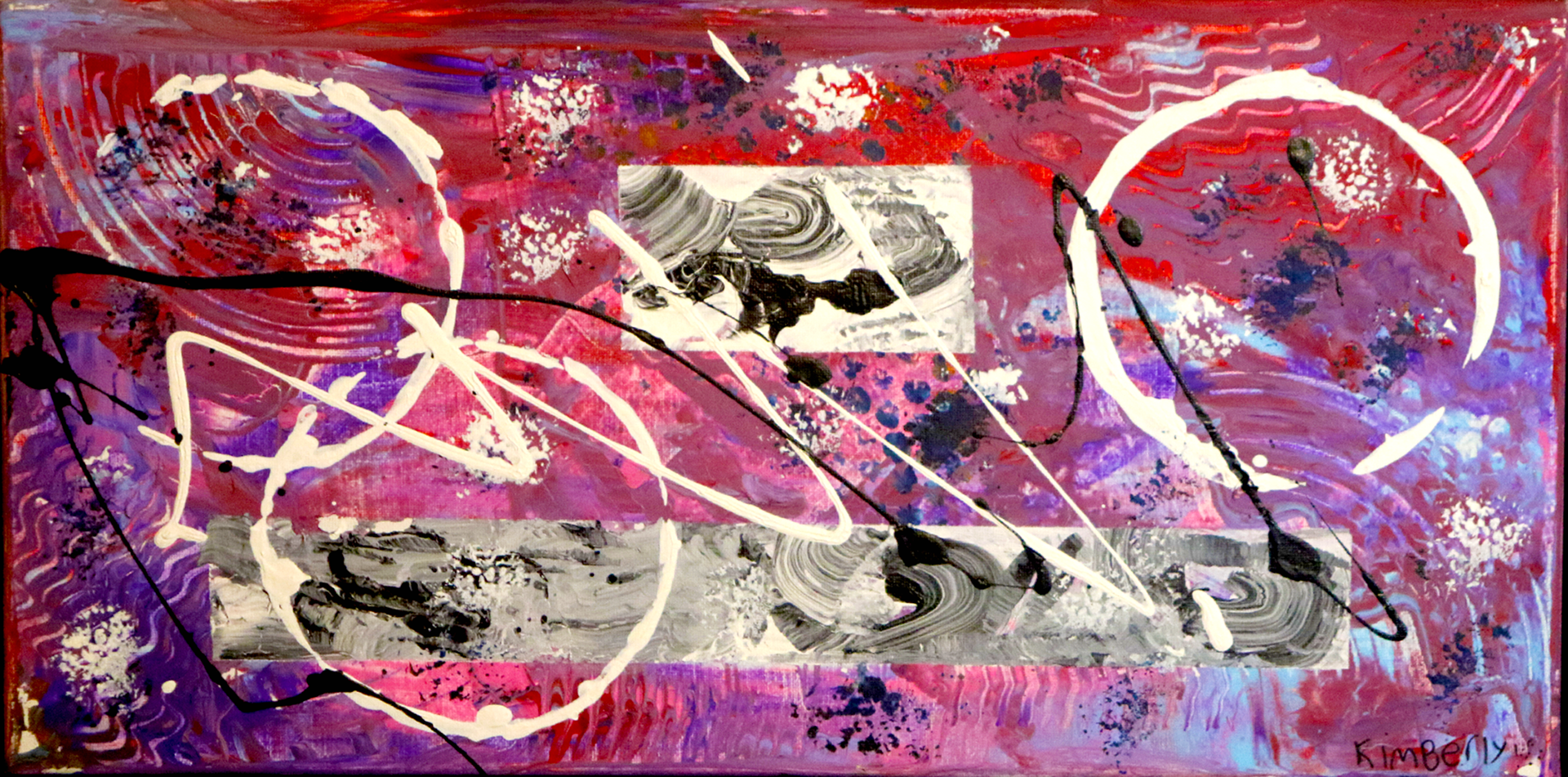
Promoting your art effectively can help you reach a wider audience, connect with potential buyers, and establish your presence in the art community. Here are some strategies to promote your art:
Create an Online Portfolio: Build a professional website or use art-focused platforms to showcase your artwork in a visually appealing and organized manner. Include high-quality images, artist statements, and background information to provide a comprehensive view of your art.
Utilize Social Media: Share your art regularly on social media platforms such as Instagram, Facebook, Pinterest, and Twitter. Engage with your followers, use relevant hashtags, and interact with art communities to increase your visibility.
Start a Blog: Maintain an art-related blog where you can share your artistic journey, creative process, art techniques, and insights into your work. This can help establish your expertise and connect with art enthusiasts.
Participate in Art Events: Attend art fairs, exhibitions, and local art events to network with other artists and potential buyers. Consider showcasing your work in galleries or organizing your art shows.
Collaborate and Cross-Promote: Partner with other artists or creative businesses for collaborative projects or joint exhibitions. Cross-promoting each other's work can expand your audience reach.
Offer Limited Editions and Prints: In addition to original artwork, consider offering limited edition prints or merchandise featuring your art. This can make your art more accessible to a broader range of buyers.
Engage with Art Communities: Join online art forums, social media groups, and art-related websites to engage with fellow artists and art enthusiasts. Sharing your knowledge and participating in discussions can help build your reputation.
Email Marketing: Build an email list of interested individuals and collectors. Send out newsletters with updates about your latest works, upcoming events, and special promotions.
Enter Art Competitions: Participate in art competitions and awards to gain recognition and exposure. Winning or being a finalist can boost your credibility as an artist.
Offer Workshops or Tutorials: Share your artistic skills by offering workshops or tutorials, either in person or online. This not only promotes your art but also establishes you as an authority in your field.
Collaborate with Influencers: Partner with social media influencers or bloggers who have a relevant audience to promote your art to their followers.
Public Relations: Send press releases to local media outlets, art publications, and blogs about your art shows, achievements, or significant milestones. Positive media coverage can bring attention to your art.
Remember, consistency is key in promoting your art. Continuously update your website and social media platforms with new works, engage with your audience, and be proactive in seeking opportunities to showcase your art. Over time, your efforts will help build a strong following and increase your chances of attracting collectors and buyers.
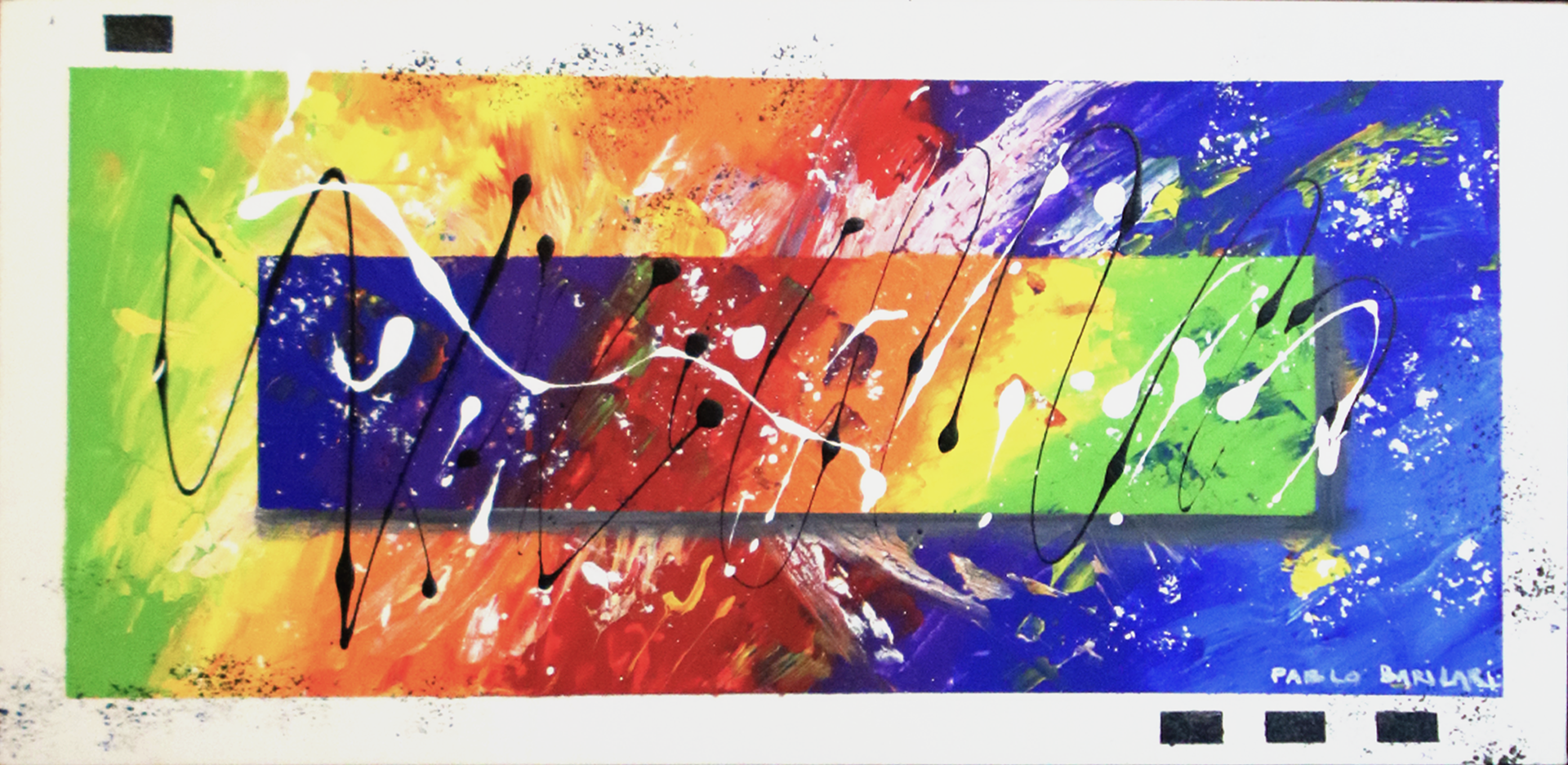
What are the most attractive colors for abstract painting?
The choice of attractive colors for abstract painting can vary depending on individual preferences, the mood you want to convey, and the overall theme or concept of your artwork. However, some colors are generally considered appealing and commonly used in abstract painting:
Blue: Blue is a versatile and universally loved color. It can evoke feelings of calmness, serenity, and introspection. It works well as both a dominant color and a supporting hue in abstract compositions.
Red: Red is a bold and energetic color that can elicit strong emotions. It symbolizes passion, love, and intensity, making it a popular choice for creating dynamic and powerful abstract artworks.
Yellow: Yellow is associated with brightness, optimism, and joy. It can add a sense of warmth and cheerfulness to your abstract paintings and is often used to create focal points.
Green: Green represents nature, growth, and balance. It is a refreshing and calming color that can bring a sense of harmony to abstract compositions.
Purple: Purple is a regal and mysterious color that conveys a sense of luxury and creativity. It can add depth and richness to your abstract paintings.
Orange: Orange is a vibrant and energetic color that radiates warmth and enthusiasm. It can be used to create striking contrasts and add a sense of excitement to your artwork.
Pink: Pink is often associated with femininity, tenderness, and romance. It can add a soft and delicate touch to your abstract paintings.
Turquoise: Turquoise is a tranquil and refreshing color that can evoke a sense of tranquility and calmness. It is often used to create a serene and peaceful atmosphere.
Gold and Silver: Metallic colors like gold and silver can add a touch of sophistication and elegance to your abstract paintings. They create a sense of luxury and opulence.
Neutral Tones: While bold colors are often attractive, don't underestimate the beauty of neutral tones like white, gray, and earthy shades. These colors can provide balance and serve as a backdrop for other colors to shine.
Remember that there are no strict rules in abstract painting, and the most attractive colors ultimately depend on your artistic vision and the emotions you want to evoke in your audience. Experimenting with different color combinations can lead to unique and captivating abstract artworks.
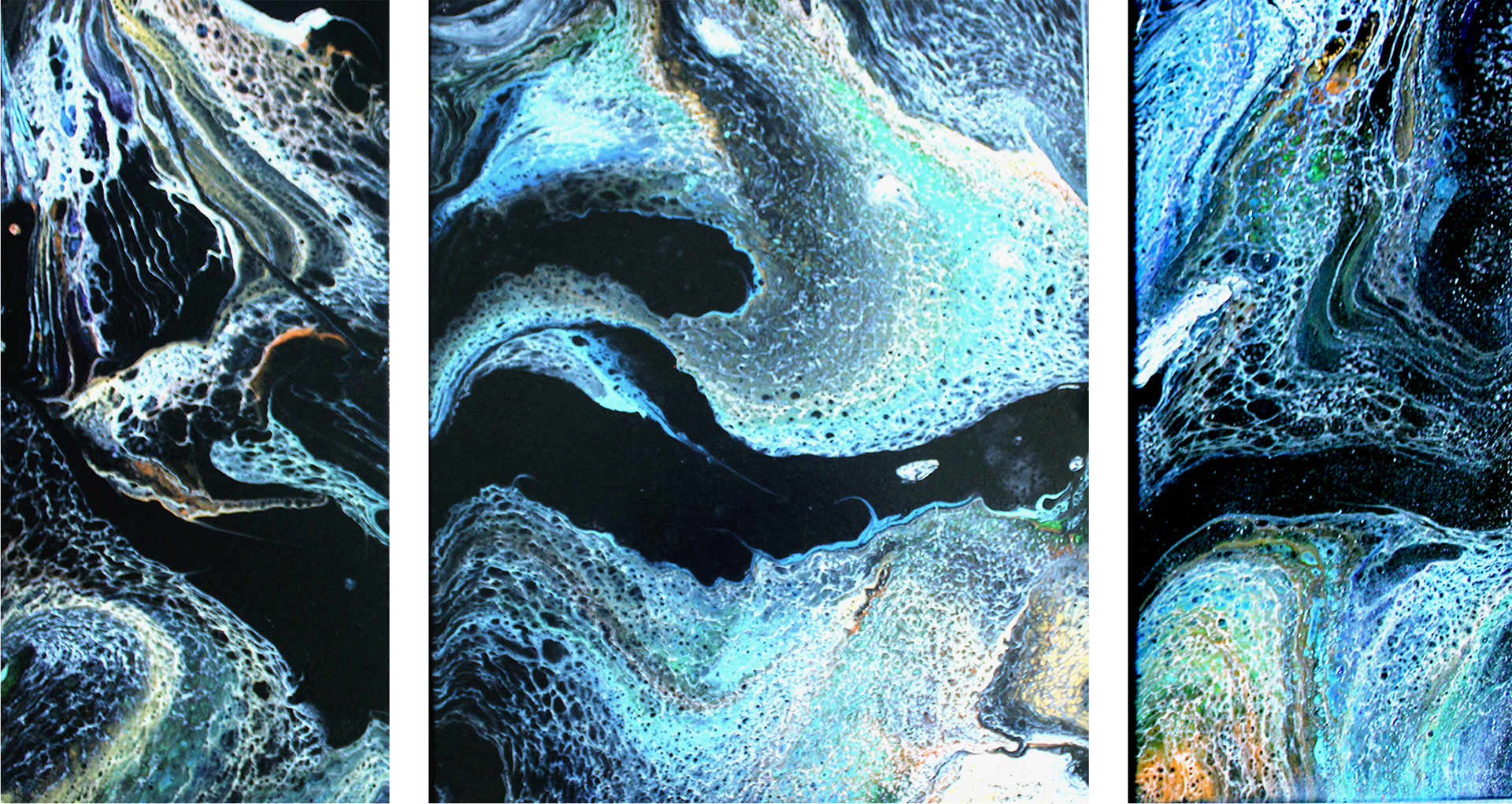
Doing marks is important in abstract painting.?
Yes, creating marks is an essential aspect of abstract painting. Marks in abstract art refer to the intentional and expressive brushstrokes, lines, textures, and other visual elements that an artist uses to convey emotions, ideas, and energy within the artwork. Marks play a crucial role in giving the painting its unique character and visual language.
Here's why marks are important in abstract painting:
Expression and Emotion: Marks allow the artist to express themselves freely and convey emotions through their artwork. The dynamic and gestural quality of marks can evoke a sense of movement, energy, and spontaneity.
Individuality and Style: The specific way an artist creates marks contributes to their unique artistic style. Each artist's marks are a reflection of their personality, creativity, and artistic vision, setting their work apart from others.
Visual Interest: Marks add visual interest and complexity to the painting. They create patterns, rhythms, and textures that engage the viewer's eye and encourage exploration of the artwork.
Narrative and Meaning: Marks can suggest a narrative or evoke certain meanings within the abstract composition. They might represent something recognizable or symbolic, or they can leave the interpretation open to the viewer.
Balance and Composition: Strategic use of marks helps in achieving balance and unity in the painting's composition. They guide the viewer's eye around the canvas and help create a cohesive and harmonious visual experience.
Texture and Depth: By using different mark-making techniques, an artist can introduce texture and depth into the artwork, making it more tactile and visually intriguing.
Energy and Movement: Bold and expressive marks can inject a sense of energy and movement into the painting, making it feel dynamic and alive.
Engaging the Viewer: The use of marks in abstract art invites the viewer to interact with the artwork on a personal and emotional level. Each person may interpret and experience the marks differently, leading to a more engaging and interactive art experience.
Ultimately, marks in abstract painting contribute to the artwork's overall aesthetic appeal and communicative power. They allow the artist to communicate complex emotions, ideas, and concepts in a visually compelling and open-ended manner. The diverse range of marks an artist can create is part of what makes abstract art a rich and diverse form of artistic expression.
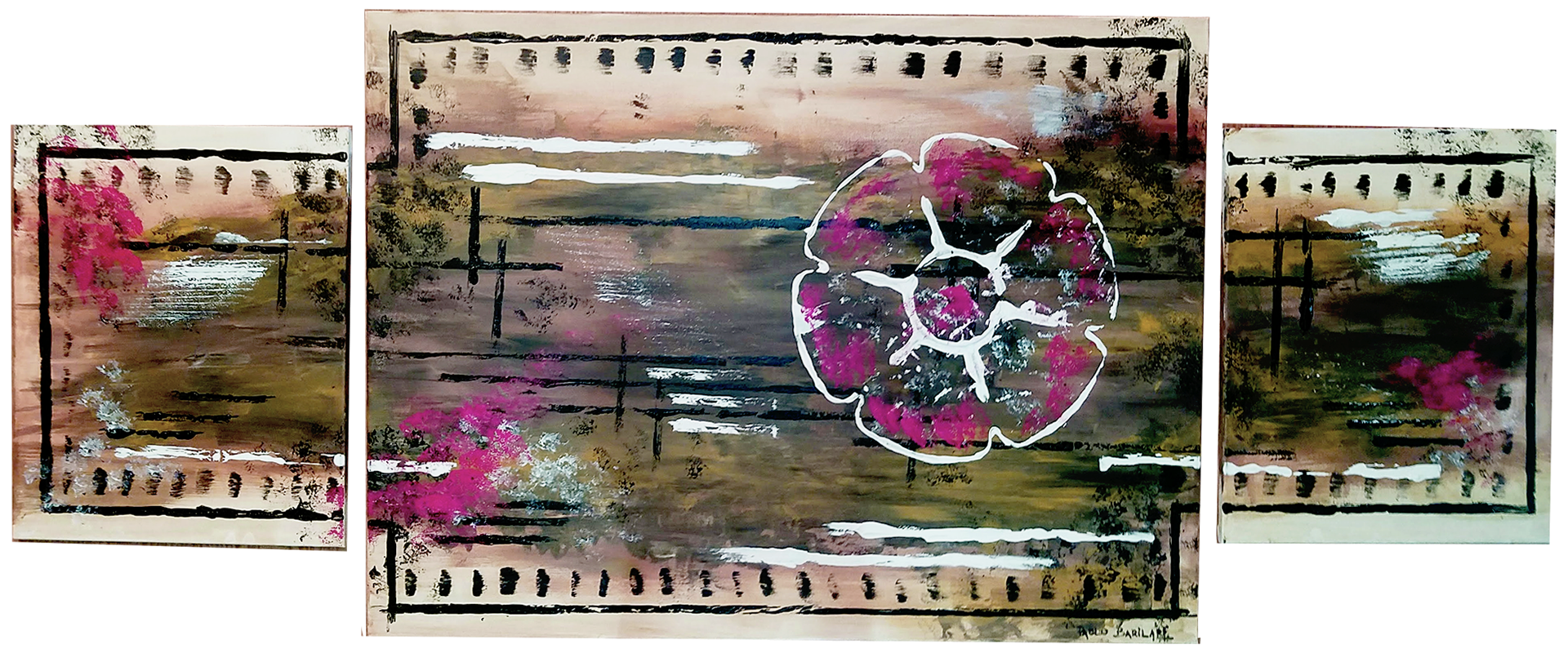
How to Start an Abstract Painting
Starting in abstract painting can be an exciting and liberating experience as it allows you to explore your creativity without figurative limitations. Here are some steps to begin abstract painting:
Get Inspired and Research: Before you start painting, seek inspiration from abstract artists you admire. Research different styles, techniques, and approaches to abstract art to understand the possibilities this artistic genre offers.
Gather Your Materials: Acquire the materials you'll need for painting. Make sure to have canvases or painting paper, brushes of various sizes, acrylic or oil paints, a palette, and rags for cleaning.
Experiment with Techniques: Don't be afraid to experiment with different painting techniques. You can try dripping, using palette knives, sponges, splattering, etc. Abstract painting gives you the freedom to explore and discover your own style.
Choose a Color Palette: Decide on the colors you want to use in your abstract painting. You can opt for a palette of vibrant and bold colors or a softer and more tranquil one. The choice of colors can influence the atmosphere and message of your artwork.
Find Your Focus: Decide if you want to create an abstract painting based on emotions, geometric shapes, expressive gestures, or any other approach that interests you. Explore different themes and approaches to find what resonates with you.
Play with Composition: Experiment with the composition of your artwork. Try different arrangements of shapes, lines, and colors on the canvas to find a balanced and visually appealing composition.
Be Spontaneous: Abstract painting allows you to be spontaneous and go with the flow of creativity. Don't worry too much about the final outcome; allow yourself to enjoy the creative process and be open to changes along the way.
Observe and Reflect: As you paint, observe your work and reflect on what you're expressing and communicating through your brushstrokes. Abstract painting can be a form of self-reflection and self-expression.
Don't Get Discouraged: Abstract painting can be challenging, but don't get discouraged if things don't turn out as expected. Continuous practice and perseverance will help you improve and develop your unique style.
Share Your Art: Once you feel comfortable with your creations, don't hesitate to share your art with friends, family, or online platforms. Receiving feedback and support can be encouraging in continuing to grow as an artist.
Remember that abstract painting is a form of personal expression, and there are no strict rules you must follow. Allow yourself to explore, experiment, and enjoy the creative journey as you develop your own artistic language in the world of abstract painting.